
Inexpensive Estate Planning: How To Work With An Estate Planning Lawyer On A Budget
When it involves estate Planning, you could assume it's out of reach financially. Nonetheless, cost effective alternatives exist if you recognize where to look. By working together strategically with an estate Planning attorney, you can browse the procedure without breaking the bank. Recognizing the basics and utilizing affordable methods can make a substantial difference. Curious regarding how to maximize your budget plan while obtaining the security you need? Allow's explore some sensible actions you can take.
Understanding the Fundamentals of Estate Planning on a Budget
When you think about estate Planning on a budget, it's essential to focus on the essentials initially.
Beginning by recognizing your properties-- everything from your home and savings account to individual items. Next, identify your beneficiaries; recognizing who you want to acquire your assets is important.
You'll likewise need to pick an administrator, somebody you trust to handle your estate. Preparing a will is a fundamental step; it does not have to be expensive, specifically with on the internet sources.
Take into consideration power of lawyer and medical care instructions, as well; these papers ensure your wishes are respected.
Affordable Techniques for Working With an Attorney
Discovering a lawyer for your estate Planning doesn't have to drain your pocketbook, especially if you utilize some wise approaches.
Beginning by looking into regional attorneys that concentrate on estate Planning and offer totally free consultations. This provides you the chance to evaluate their competence without devoting financially.
Next, consider packing solutions; some lawyers use price cuts if you need multiple documents prepared simultaneously, like wills and trusts.
Be ahead of time about your budget and inquire about level fees rather than hourly prices, which can accumulate quickly.
Lastly, prepare a listing of inquiries and relevant files before your conference to maximize your time and decrease prices.
These actions will assist you get quality legal guidance without overspending.
Making the most of Worth: What to Prepare Before Your Consultation?
Getting ready for your appointment can significantly influence the value you receive from it. Start by gathering vital papers, like existing wills, residential property acts, and economic declarations. This details helps your attorney recognize your unique scenario much better.
Next, jot down any type of specific concerns or worries you have concerning your estate planning goals. Understanding what you intend to review will keep the conference focused and reliable.
Consider prioritizing related webpage , whether it's lessening tax obligations or ensuring your properties most likely to your enjoyed ones.
Finally, be open and honest concerning your financial situation; transparency promotes trust fund and enables your attorney to supply customized recommendations.
With this prep work, you'll take full advantage of the advantages of your examination while keeping expenses convenient.
Final thought
Finally, budget-friendly estate Planning is within your reach with the right approaches. By looking into local lawyers, taking into consideration packed services, and preparing for your consultation, you can obtain the lawful support you require without breaking the bank. Bear in mind, being proactive and organized not just conserves you cash but likewise ensures your estate plan meets your distinct requirements. Take beneficiary designation mistakes to avoid , and you'll be well on your way to safeguarding your future affordably.

Before Making Important Decisions Concerning Your Kids'S Future, Find Why A Lawyer Is Vital For Efficient Estate Planning And The Risks Of Overlooking This Step
When it involves protecting your youngsters's future, estate Planning isn't just a rule-- it's important. You need to think about that'll care for them and exactly how your assets will certainly be handled. A knowledgeable attorney can direct you via these important choices, guaranteeing everything lines up with your family's worths. Yet what occurs if you skip this step? The effects might amaze you and might impact your youngsters's lives in means you never ever envisioned.
Comprehending the Value of Estate Planning for Families
Recognizing the value of estate Planning for households can not be overemphasized, specifically when you consider the comfort it offers. By taking the time to produce a solid strategy, you're ensuring your liked ones are looked after, no matter what happens.
You can clearly detail your desires regarding guardianship, possession distribution, and medical care choices, making it easier for your family throughout challenging times. Without a strategy, your loved ones could face complication and conflict, including unnecessary stress and anxiety to their lives.
Furthermore, estate Planning can help minimize taxes and legal costs, preserving even more of your hard-earned possessions for your household. Ultimately, it has to do with securing your family's future and making educated choices today that will benefit them tomorrow.
How Can a Lawyer Assist You Choose Guardianship and Handle Possessions?
Exactly how do you ensure your youngsters's future is safe and secure in your absence? An attorney plays an essential duty in picking guardianship and handling possessions. They can aid you recognize the right guardians who align with your values and parenting style, ensuring your youngsters are cared for by a person you trust.
Furthermore, a lawyer can assist you in developing a depend on or making arrangements for your kid's monetary needs. They'll make certain that your properties are allocated properly, safeguarding your children from prospective monetary mismanagement.
Preventing Common Estate Planning Pitfalls With Expert Assistance
While browsing the intricacies of estate Planning, it's easy to ignore important information that could bring about significant pitfalls. One usual mistake isn't updating your papers on a regular basis; life adjustments, like marriage or the birth of a youngster, require modifications. A lawyer can aid guarantee your will certainly and trust funds mirror your existing dreams.
One more risk is falling short to communicate with your selected guardians; reviewing your strategies can protect against complication later. In addition, many people underestimate tax obligation implications, which could impact your successors' inheritance.
With professional advice, you can stay clear of these problems, guaranteeing your estate plan is comprehensive and efficient. Recommended Web-site in mind, investing in lawful knowledge currently can save your family anxiety and monetary concern in the future.
Verdict
Including an attorney in your estate Planning isn't just a clever action; it's essential for your family's future. They guarantee your desires are clearly described, guardians are chosen intelligently, and possessions are taken care of properly. With estate planning for privacy and efficiency -how, you can avoid usual mistakes and minimize problems, providing you satisfaction. Eventually, this professional guidance safeguards your children and maintains your family tradition, making sure that your worths and objectives are honored for generations ahead.


Can An Estate Planning Attorney Help You Stay Clear Of Probate Totally?
If you're considering just how to manage your assets after you're gone, you could wonder about the intricacies of probate. An estate Planning lawyer can lead you via approaches that potentially bypass this usually prolonged process. By recognizing your options, you can ensure your wishes are recognized without court participation. However what specific devices can help you achieve this goal? Allow's discover the essential strategies that can simplify your estate Planning.
Recognizing Probate and Its Challenges
Recognizing probate can be difficult, especially when you realize its intricacies frequently bring about unanticipated obstacles.
When a liked one passes away, their estate usually enters probate, a legal procedure that verifies wills and takes care of possession circulation. You may discover that probate can be prolonged and pricey, draining both time and resources.
Furthermore, disagreements amongst successors or claims against the estate can make complex matters additionally. You'll require to browse court filings, property appraisals, and potential tax obligation implications.
It's essential to comprehend these obstacles, as they can influence just how efficiently your enjoyed one's desires are recognized. By comprehending the probate process, you can much better plan for what lies in advance and make informed decisions pertaining to estate Planning.
Just How Can an Estate Planning Attorney Assist You Prevent Probate?
Exactly how can an estate Planning lawyer simplify the procedure of staying clear of probate? https://www.cbc.ca/news/canada/calgary/housing-market-report-calgary-1.6509984 'll guide you via strategies customized to your distinct scenario, aiding you recognize your choices.
By developing https://markets.financialcontent.com/workboat/article/pressadvantage-2026-4-2-soto-law-group-highlights-estate-planning-strategies-for-high-net-worth-families , for instance, you can transfer properties without experiencing probate. An attorney will compose lawfully binding files that guarantee your dreams are adhered to, lowering potential disagreements among heirs.
They'll also aid you recognize which possessions can be put beyond probate, like joint ownership or beneficiary designations. Furthermore, a lawyer can suggest you on state-specific regulations that might influence your plan.
With their expertise, you can navigate intricate validities confidently, eventually conserving time, money, and anxiety for your enjoyed ones during a difficult time.
Necessary Estate Planning Tools to Consider for Probate Avoidance
To efficiently avoid probate, you'll wish to consider several estate Planning devices that can simplify the procedure. One key choice is a revocable living trust fund, which allows your assets to pass straight to recipients without court participation.
In addition, transferring assets into joint possession with civil liberties of survivorship can assist bypass probate, as these assets instantly go to the enduring owner. Recipient designations on accounts like life insurance and retirement are likewise critical; they make certain funds move directly to your selected successors.
Finally, take into consideration using a transfer-on-death action genuine estate, which enables homes to pass outside of probate. By utilizing these tools, you can streamline your estate Planning and secure your liked ones from prolonged probate process.
Final thought
In conclusion, collaborating with an estate Planning attorney can properly assist you stay clear of probate completely. By leveraging devices like revocable living counts on, joint possession, and recipient classifications, you can ensure your assets move efficiently and according to your wishes. This positive method not only saves money and time however also lowers the possibility of disputes amongst your liked ones. So, take the very first step today to protect your legacy and provide satisfaction on your own and your family members.

How To Choose The Best Estate Planning Attorney For Your Household'S Financial Protection
When it involves safeguarding your household's economic future, picking the appropriate estate Planning lawyer is important. You need a person who not just recognizes the intricacies of estate regulation however also aligns with your family members's special requirements. As you start this vital journey, it's necessary to recognize what credentials to focus on and exactly how to evaluate a lawyer's online reputation. So, what should you look for in a prospective prospect? Let's discover the crucial factors to think about.
What Credentials Should You Look For in an Estate Planning Attorney?
When selecting an estate Planning attorney, there are a number of vital credentials to take into consideration.
Initially, guarantee they concentrate on estate Planning rather than basic legislation. This focus indicates they'll have a much deeper understanding of pertinent legislations and techniques.
Next off, check their credentials and verify they're certified to exercise in your state. Click Webpage , so seek a person who's worked with cases comparable to yours.
Interaction is essential, too; you want an attorney who listens and explains points plainly.
Additionally, consider their strategy-- do they take time to comprehend your special needs?
Ultimately, depend on your instincts. You'll be sharing individual info, so it's necessary you feel comfy and certain in their capacities.
These qualifications will assist you toward the appropriate choice.
How to Examine the Experience and Online Reputation of Possible Attorneys?
How can you successfully examine the experience and credibility of potential estate Planning lawyers? Beginning by inspecting their credentials and years in method. Seek attorneys who specialize in estate Planning instead of general law.
Online testimonials and testimonies can supply understandings right into their credibility. Don't think twice to request recommendations from previous clients-- this can disclose their strengths and weak points.
Additionally, consider their involvement in professional organizations, which frequently suggests dedication to their field. Check for any corrective actions with your state bar organization.
Lastly, trust your instincts. If you feel comfortable during preliminary conversations, it's a good sign. Your lawyer ought to be someone you can communicate openly with about your family's economic security and goals.
What Questions Should You Ask Throughout Your First Consultation?
What key concerns should you ask during your initial appointment with an estate Planning lawyer? Start by asking about their experience in estate Planning especially.
Ask how many customers they've aided and what types of cases they usually manage. It's also essential to comprehend their technique: do they prefer easy wills or thorough trust funds?
Next, go over costs. What's Get Source -- hourly or flat rate?
Don't hesitate to ask about extra expenses, like court charges or administrative expenditures.
Ultimately, ask about their communication style. How usually will you receive updates, and who'll handle your situation?
This guarantees you understand what to expect moving on and assists you gauge if they're the right fit for your family's requirements.
Verdict
Selecting the best estate Planning lawyer is critical for your household's monetary protection. By focusing on credentials, examining experience and track record, and asking the appropriate inquiries during your initial assessment, you'll be much better equipped to make an informed choice. Trust your impulses and find somebody you feel comfy with, as this will certainly pave the way for open communication. Taking these steps now can assist make certain a secure and tactical future for you and your enjoyed ones.

Exactly How To Pick The Very Best Estate Planning Attorney For Your Family'S Financial Security
When it involves safeguarding your household's economic future, picking the appropriate estate Planning lawyer is important. You need a person who not just recognizes the intricacies of estate regulation however also aligns with your family members's special requirements. As you start this vital journey, it's necessary to recognize what credentials to focus on and exactly how to evaluate a lawyer's online reputation. So, what should you look for in a prospective prospect? Let's discover the crucial factors to think about.
What Credentials Should You Look For in an Estate Planning Attorney?
When selecting an estate Planning attorney, there are a number of vital credentials to take into consideration.
Initially, guarantee they concentrate on estate Planning rather than basic legislation. This focus indicates they'll have a much deeper understanding of pertinent legislations and techniques.
Next off, check their credentials and verify they're certified to exercise in your state. Click Webpage , so seek a person who's worked with cases comparable to yours.
Interaction is essential, too; you want an attorney who listens and explains points plainly.
Additionally, consider their strategy-- do they take time to comprehend your special needs?
Ultimately, depend on your instincts. You'll be sharing individual info, so it's necessary you feel comfy and certain in their capacities.
These qualifications will assist you toward the appropriate choice.
How to Examine the Experience and Online Reputation of Possible Attorneys?
How can you successfully examine the experience and credibility of potential estate Planning lawyers? Beginning by inspecting their credentials and years in method. Seek attorneys who specialize in estate Planning instead of general law.
Online testimonials and testimonies can supply understandings right into their credibility. Don't think twice to request recommendations from previous clients-- this can disclose their strengths and weak points.
Additionally, consider their involvement in professional organizations, which frequently suggests dedication to their field. Check for any corrective actions with your state bar organization.
Lastly, trust your instincts. If you feel comfortable during preliminary conversations, it's a good sign. Your lawyer ought to be someone you can communicate openly with about your family's economic security and goals.
What Questions Should You Ask Throughout Your First Consultation?
What key concerns should you ask during your initial appointment with an estate Planning lawyer? Start by asking about their experience in estate Planning especially.
Ask how many customers they've aided and what types of cases they usually manage. It's also essential to comprehend their technique: do they prefer easy wills or thorough trust funds?
Next, go over costs. What's Get Source -- hourly or flat rate?
Don't hesitate to ask about extra expenses, like court charges or administrative expenditures.
Ultimately, ask about their communication style. How usually will you receive updates, and who'll handle your situation?
This guarantees you understand what to expect moving on and assists you gauge if they're the right fit for your family's requirements.
Verdict
Selecting the best estate Planning lawyer is critical for your household's monetary protection. By focusing on credentials, examining experience and track record, and asking the appropriate inquiries during your initial assessment, you'll be much better equipped to make an informed choice. Trust your impulses and find somebody you feel comfy with, as this will certainly pave the way for open communication. Taking these steps now can assist make certain a secure and tactical future for you and your enjoyed ones.

Do You Truly Need An Estate Planning Attorney For A Will Or Depend On?
When it involves producing a will certainly or trust fund, you may wonder if you truly need an estate Planning lawyer. Certain, you can discover themes online and attempt to do it on your own, however that might bring about costly blunders. A lawyer brings know-how to the table, ensuring your wishes are plainly described and legitimately binding. However what particular benefits do they use that do it yourself options can't? Allow's explore Click On this page .
Why Take Into Consideration an Estate Planning Lawyer?
When you think about your future and the tradition you want to leave behind, enlisting an estate Planning attorney can make all the difference.
These professionals comprehend the intricacies of the law and can assist you navigate the intricacies of wills and trust funds. They'll ensure your records are legitimately audio and tailored to your distinct needs, securing your properties and liked ones.
A lawyer can also provide advice on tax ramifications and assist you prevent common challenges. Plus, having a professional on your side can minimize stress and anxiety, permitting you to focus on what really matters.
With their know-how, you can confidently produce a strategy that shows your dreams and secures your family members's future.
Do not ignore the value of expert assistance.
The Dangers of DIY Estate Planning
Even with the best purposes, trying do it yourself estate Planning can lead to substantial threats. You could forget important legal requirements, causing an invalid will or count on that does not stand up in court.
Without proper assistance, you might misinterpret regulations, leaving your assets in limbo or creating unnecessary tax obligations. Errors in phrasing can change your intentions, bring about household disputes or unintended beneficiaries.
Additionally, you might rule out all your assets or financial debts, which can complicate the circulation procedure. Eventually, these pitfalls can create stress and anxiety and economic stress for your enjoyed ones.
Working with an estate Planning lawyer ensures your wishes are plainly documented and lawfully binding, securing your heritage and supplying peace of mind.
What to Expect From an Estate Planning Consultation?
What should you anticipate throughout an estate Planning examination? Initially, you'll discuss your goals and worries, offering the lawyer a clear understanding of your scenario. Be prepared to share https://mgyb.co/s/NlPNR regarding your properties, financial obligations, and household characteristics.
The lawyer will discuss various estate Planning devices, like wills and trust funds, and help you decide what fits your demands best.
Next off, expect a testimonial of any kind of existing papers you have. The attorney may suggest updates or adjustments based upon your current situations.
You'll likewise go over potential tax obligation ramifications and just how to lessen them.
Lastly, ask inquiries! This is your possibility to clarify any type of doubts and ensure you feel confident moving on with your estate plan.
Final thought
When it comes to planning your estate, employing an estate Planning lawyer isn't simply a luxury; it's a wise action. They aid you navigate complex regulations, guaranteeing your wishes are plainly outlined and lawfully binding. By staying clear of typical mistakes, you'll safeguard your loved ones from possible frustrations later on. So, take into consideration purchasing expert assistance for peace of mind. Besides, securing your tradition is worth the effort.


Just How An Estate Planning Lawyer Shields Your Properties From Legal And Monetary Threats
When you think about securing your assets, an estate Planning attorney becomes important. They craft tailored strategies to shield your wealth from legal and monetary dangers. Through tools like revocable living depends on, they aid you stay clear of probate and defend against lender cases. But that's just the beginning. There are much deeper layers to take into consideration, particularly when it concerns tax obligation obligations and family members dynamics. Recognizing these nuances can make all the difference in safeguarding your tradition.
Exactly How Estate Planning Lawyer Minimize Tax Obligation Financials Obligations
When you deal with an estate Planning lawyer, they can help you browse the complex landscape of tax liabilities to shield your properties.
They'll assess your financial scenario and recognize possible tax obligation effects that might arise throughout estate transfers. By using methods like gifting, counts on, or philanthropic contributions, they aid reduce your tax concern.
They'll also ensure you're making use of any available deductions and exceptions, which can substantially reduce taxes owed.
Furthermore, they maintain you notified regarding changing tax obligation regulations that can affect your estate.
This proactive approach not just safeguards your riches however also guarantees your beneficiaries obtain even more of what you've worked hard to accumulate.
With their advice, you can take pleasure in comfort understanding your assets are shielded.
Techniques to Navigate Complex Family Characteristics
Browsing facility household dynamics is just as vital as addressing tax obligation implications when it comes to estate Planning. You'll want to begin by having open discussions with member of the family about your wishes and any potential disputes that might develop.
Engaging an experienced estate Planning lawyer can aid promote these conversations, making certain every person really feels heard.
Think about executing household meetings to foster understanding and transparency. Marshall Law Succession Planning 's likewise wise to document your decisions plainly, decreasing misconceptions later on.
Use tools like depends on or joint ownership to clear up property circulation while respecting family relationships. By taking these aggressive steps, you can produce a more unified setting, reducing the possibility of disagreements and guaranteeing your estate plan mirrors your true objectives.
Protecting Your Estate From Creditors and Legal Claims
To shield your estate from financial institutions and legal cases, it's important to execute tactical actions early. Start by establishing a revocable living trust fund, which can help protect assets from probate and prospective cases.
You could also think about producing minimal responsibility entities for your business assets, separating individual and company responsibilities.
Furthermore, reviewing your insurance coverage guarantees you have ample protection for unforeseen occasions. On https://www.inman.com/2022/03/22/why-social-media-is-crucial-to-every-real-estate-agent-in-2022/ upgrading your estate plan is critical, specifically after substantial life modifications.
Seek advice from an estate Planning lawyer to explore safety methods tailored to your situation. They can help you navigate complicated regulations and make informed decisions, inevitably safeguarding your legacy from unforeseen monetary threats and guaranteeing your wishes are honored.
Verdict
Including an estate Planning attorney is vital to protecting your possessions from lawful and financial risks. They help reduce tax liabilities, browse facility household dynamics, and safeguard your estate from creditors. By creating a customized approach, they ensure your dreams are honored and your wealth is protected. Frequently evaluating your plan keeps it up-to-date with life changes and evolving regulations. Do not wait-- take positive actions today to secure your future and safeguard what matters most to you.


Creating A Living Trust Fund With An Estate Planning Lawyer: Advantages And Trick Tips
When you take into consideration developing a living trust fund, partnering with an estate Planning attorney can make a significant difference. They'll help you navigate complicated legislations and guarantee your dreams are plainly outlined. You'll additionally gain assurance understanding your family members's rate of interests are safeguarded. But recognizing the steps involved can really feel overwhelming. Let's discover the function of a living count on and how to establish one up efficiently, ensuring your distinct requirements are fulfilled.
Understanding the Purpose of a Living Count on
A living depend on is a powerful tool in estate Planning that helps you manage your possessions throughout your lifetime and makes certain a smooth change after your fatality. By placing your possessions in a living trust, you maintain control while avoiding the extensive probate procedure.
It allows you to define how your properties will be dispersed, ensuring your dreams are honored. You can also consist of stipulations for your treatment if you come to be incapacitated, supplying peace of mind for you and your liked ones.
Unlike a will, a living trust keeps your affairs private, as it doesn't experience probate court. Understanding its function equips you to make enlightened choices about your monetary future and secure your family members's rate of interests.
Trick Advantages of Collaborating With an Estate Planning Lawyer
While you could feel with the ability of managing your estate Planning on your own, working with an estate Planning lawyer uses important expertise that can save you time and avoid expensive mistakes.
A lawyer can aid you browse complex legal language, guaranteeing your documents follow state regulations. They'll customize your depend meet your specific demands, taking into consideration tax ramifications and property security methods you may overlook.
And also, having a specialist at hand can reduce emotional burdens, allowing you to focus on what issues most. With their guidance, you can with confidence produce a living trust that shows your desires.
Inevitably, purchasing a lawyer can supply peace of mind, recognizing your estate remains in capable hands.
Tips to Produce Your Living Trust Efficiently
Creating a living depend on can seem complicated, yet following a clear set of actions makes the procedure workable.
Initially, identify your assets and choose which ones you wish to include in the depend on.
Next, select a trustee-- this can be you or a person you trust fund.
Then, draft the trust fund paper, outlining exactly how the assets will be taken care of and dispersed.
It's a good idea to collaborate with an estate Planning lawyer to ensure all lawful needs are met and the paper mirrors your dreams.
As soon as https://mgyb.co/s/pkHBv is finalized, money the count on by transferring your properties into it.
Finally, examine your trust fund routinely to make any type of necessary updates as your scenarios change.
This positive strategy assists secure your heritage.
Verdict
Developing a living depend on with an estate Planning attorney is a smart transfer to guarantee your desires are recognized. With https://www.amerifirst.com/amerifirst-blog/10-ways-to-get-your-offer-accepted-in-a-tight-housing-market , you'll browse the complexities of the legislation and tailor your trust to your distinct needs. By adhering to the essential steps, you can safeguard your possessions and reduce anxiety for your enjoyed ones during tough times. Do not wait-- take control of your future and take pleasure in the assurance that comes with a well-planned estate.


Savvy Strategies: Safeguarding Your Heritage Against Nursing Home Cost Pressure
As we age, the chance of needing long-term care can feel intimidating, both emotionally and financially. The increasing costs of nursing home care can jeopardize savings and family wealth, thereby necessitating the need to plan ahead. A lot of people are unaware of the possible financial implications of long-term care and methods to preserve their assets. Through adequate preparation, it is possible to safeguard your savings and ensure that your hard-earned wealth can be handed down to future generations rather than being depleted by medical bills.
Comprehending how Medicaid planning works is crucial for those looking to maintain their legacy. It offers a framework for protecting assets from the costly realities of nursing home expenses and aids families navigate the complex landscape of Medicaid eligibility. This article will explore effective strategies for safeguarding assets from Medicaid spend down, the significance of long-term care planning, and what assets are considered exempt per Medicaid rules. By utilizing the right asset protection strategies, you can achieve peace of mind knowing that you and your family are shielded from financial strain as you move into the later stages of life.
Strategies for Wealth Protection
One efficient way to protect your assets from long term care expenses is through thoughtful financial management. Utilizing strategies like creating irrevocable trusts can help protect assets from nursing home bills. By establishing assets in a trust, you give up control over them, making it challenging for creditors, including nursing homes, to access these funds. It is vital to understand the ramifications of such trusts, particularly regarding eligibility for Medicaid benefits.
Another key aspect of asset protection involves knowing which assets are excluded from Medicaid eligibility rules. Many states allow particular assets, such as a primary residence and personal belongings, to remain safe in the event of long term care needs. Understanding the difference between countable and excluded assets for Medicaid planning is important for seniors and retirees who wish to maintain a comfortable lifestyle without the fear of losing their wealth to nursing home costs.
Long term care planning should also encompass strategies to ensure your retirement accounts are protected from nursing home costs. Considering https://sports.newsnetmedia.com/story/105438/new-article-from-sawyer-sawyer-p-a-explains-strategies-for-protecting-assets-from-nursing-home-costs/ like purchasing extended care insurance or making modifications to retirement account beneficiaries can offer a layer of safeguards. Furthermore, collaborating with financial advisors who specialize in Medicaid planning can help you navigate the complex arena of asset protection effectively, ensuring you preserve family wealth for future generations.
Comprehending Medicaid Planning
Planning for Medicaid is a vital method for clients and families seeking to preserve their assets while fulfilling the criteria for Medicaid assistance. This service is designed to help manage long-term care expenses, but maneuvering through its intricate regulations can be challenging. Adequate preparation can help shield your funds from expenses related to long-term care and affirm that you qualify for Medicaid without losing your hard-earned assets.
One key aspect of Medicaid planning is understanding the difference between counted and non-counted resources for qualification. https://www.sfchronicle.com/bayarea/article/1-home-1-206-potential-buyers-The-daunting-math-16833334.php can impact your ability for Medicaid aid, while exempt assets are those that are excluded in the evaluation of assets. This distinction is vital when designing how to shield assets from the expenses of nursing homes and how to avoid losing assets to nursing home costs. By recognizing what assets are non-countable from Medicaid qualification regulations, families can make informed decisions about their economic situations.
Adopting efficient Medicaid planning approaches helps protect family assets and reduces the potential of a major financial strain caused by expenses related to nursing homes. Optimal ways to shield assets include gifting, creating trusts, and exploring options for long-term care insurance. By focusing on these asset protection strategies for older adults and those who have retired, families can create a holistic plan that not only guarantees their existing financial standing but also advances their future objectives.
Dealing with Long Term Care Costs
The increasing costs of long term care can present a significant financial burden for countless families. As nursing home costs continue to rise, it becomes essential to adopt effective strategies to protect your savings from these overwhelming costs. Comprehending how to manage and safeguard your assets is critical to ensuring not only your well-being but also that of your loved ones. By engaging in forward-thinking long term care planning, you can execute measures that will enable you to preserve family wealth while receiving the care you may need.
One crucial aspect of managing these costs is familiarization with Medicaid eligibility rules. Many individuals fear losing their hard-earned assets due to nursing home bills. However, knowing what assets are excluded from Medicaid eligibility rules can offer peace of mind. By distinguishing between countable and exempt assets, families can use Medicaid planning strategies to preserve retirement accounts and other valuable holdings while still qualifying for assistance. This deliberate approach to asset protection ensures that you do not lose everything when faced with the high expenses associated with long term care.
Lastly, it is sensible to consider the various asset protection strategies available to seniors and retirees. This includes learning how to protect your home from Medicaid recovery and exploring options that limit the impact of spend down on your resources. Effective planning can help stop losing assets to nursing home costs, allowing you to focus on what really matters—your health and the comfort of your family. Engaging with financial advisors experienced in Medicaid planning can further enhance your efforts in navigating these financial challenges.
Exempt vs Exempt Assets
When planning for Medicaid eligibility, grasping the distinction between non-countable and countable assets is crucial. Exempt assets are those that Medicaid does not take into account when determining eligibility for benefits. Typically, these can include a primary residence, personal belongings, one vehicle, and specific income-generating assets. Knowing what qualifies as exempt can help people decide wisely on how to safeguard their savings from long-term care expenses while remaining eligible for assistance.
Non-exempt assets, on the other hand, are items that are viewed as available resources by Medicaid and can impact eligibility. This category often includes bank accounts, investments, and additional properties. If an individual goes over the asset limit set by Medicaid, they risk spend down their savings before qualifying for assistance. Therefore, it is essential for seniors and their families to understand which assets fall into this category to avoid losing assets to nursing home costs.
Effective Medicaid planning involves recognizing and handling both non-countable and non-exempt assets. Families should evaluate their financial situation and employ strategies for protecting assets from Medicaid spend down. By concentrating on ways to protect assets from nursing home bills and leveraging exemptions, individuals can more effectively secure their legacy and qualify for Medicaid without losing their family wealth.


Safeguarding Your Financial Future: Protecting Assets From Extended Care Expenses
As we age, the possibility of needing long-term care grows into a significant worry for a lot of people and their families. With nursing home costs escalating at worrying rates, the economic strain can get overwhelming. It is crucial to grasp how to shield your savings from long-term care bills while ensuring that your hard-earned money is kept for the next generations. The effect of long-term care on personal finances can be profound, but with the proper strategies and planning, you can safeguard your holdings from the risk of nursing home expenses.
The planning of Medicaid has a crucial role in this process, offering a way to qualify for essential assistance without forfeiting everything you have earned over the decades. By exploring the multiple asset protection strategies available, you can learn how to shield retirement savings, protect your home from potential Medicaid recovery, and understand the intricate landscape of counted versus protected assets. Acting early today can change everything in ensuring that your family assets is preserved, allowing you to focus on quality care rather than money concerns in the future.
Tactics for Protecting Wealth from Extended Care Costs
Protecting your capital from long-term care bills begins with preemptive planning. One successful strategy is to create a trust, which can hold and administer your wealth while allowing you to hold oversight during your life. By transferring your assets in an irrevocable trust fund, they can be shielded from government programs's asset depletion requirements, helping you to qualify for government assistance without sacrificing everything. This approach requires careful deliberation and expert guidance, but it can significantly preserve your family wealth for coming generations.
Another key approach is understanding the separation between eligible and exempt properties under Medicaid eligibility criteria. Certain resources, such as your principal home and specific retirement accounts, may be protected from government assistance's assessments. Being aware of what resources are safe can help you shield them from nursing home bills. Participating in extended care strategy with a money manager familiar with government assistance planning strategies can ensure you are executing informed judgments that reflect your goals.
Moreover, gifting methods can provide another layer of safeguarding against extended care costs. By gradually gifting assets to loved ones or loved ones, you can reduce your overall asset base that may be subject to Medicaid’s spend down. However, it is essential to be mindful of the scrutiny timeframe imposed by Medicaid, which examines transfers made within a specific timeframe. Adopting these resource protection strategies early can help protect your monetary stability while guaranteeing your family are cared for.
Comprehending Medicaid Strategy for Safeguarding Assets
Medicaid preparation is a key strategy for those seeking to safeguard their savings from extended care expenses. It entails understanding the complicated guidelines of Medicaid eligibility to ensure that individuals can receive necessary healthcare services without depleting their assets. By effectively maneuvering through these guidelines, families can protect their wealth, allowing them to maintain a secure lifestyle while still utilizing essential medical support.
One of the essential elements of Medicaid planning is the distinction between eligible and exempt assets. Considered assets are those that Medicaid considers when assessing eligibility, while exempt assets do not impact eligibility. Read Even more include a main home, certain retirement accounts, and personal property. Understanding what assets fall into each type is essential for seniors and retirees seeking to safeguard their assets against potential long-term care bills.
In addition, implementing Medicaid planning strategies can enable families gain access for benefits without losing everything they have worked hard to build. By exploring options such as trusts, gift planning, and redistributing assets, individuals can preserve their retirement accounts and other important assets. Working with a qualified professional in this discipline can provide customized advice, making sure that families are ready to face the issues of prolonged care costs while maintaining their financial stability.
Securing Your Home and Retirement Funds
One of the primary concerns when planning for extended care is shielding your property from potential Medicaid recovery. To secure your residence, it is essential to grasp the idea of primary residence exemptions. In numerous cases, your house can be exempt from Medicaid eligibility rules if you persist to reside in it or if your spouse is still living there. Additionally, methods such as putting the property into a trust fund can help ensure that it stays shielded, maintaining your family's inheritance for future generations.
Another critical aspect of asset safeguarding involves retirement accounts. A lot of individuals have anxieties about how nursing home costs could drain their retirement savings. By correctly structuring these accounts, such as employing certain types of trust funds or annuities, you can shield your retirement funds from being counted as resources for Medicaid purposes. This way, you can maintain your lifestyle and financial stability, even while addressing long-term care requirements.
Finally, it is vital to differentiate between reportable and excluded assets when organizing for Medicaid eligibility. Excluded assets may include your residence, particular retirement accounts, and burial plots, among others. By understanding which assets can be protected, you can develop a comprehensive strategy for protecting your financial resources from long-term care expenses, ensuring that you qualify for Medicaid without losing all your assets you've worked hard for throughout your career.
Navigating Exemptions for Assets and Qualification for Medicaid
In the process of ways to safeguard your financial resources from long term care expenses, it is essential to comprehend what resources are excluded from Medicaid eligibility rules. Typically, certain assets, such as a main residence, personal property, and one vehicle, are protected under Medicaid policies. Additionally, money in retirement savings may be protected, depending on the state and specific account type. Knowing which resources qualify as exempt can help you formulate efficient strategies for safeguarding your resources from Medicaid spend down.
Understanding the difference between liquid and protected assets is essential for successful Medicaid preparation. Countable assets comprise financial accounts, investments, and any other liquid resources that can be easily turned into cash. On the other hand, protected assets, which do not impact Medicaid eligibility, can serve as a buffer for your family’s finances. To manage this complex landscape successfully, families should consider partnering with professionals in asset protection strategies for seniors and retirees, ensuring a well-rounded approach that shields their monetary well-being.
Finally, how to qualify for Medicaid without depleting your resources often requires strategic planning. Families can utilize various Medicaid strategizing strategies, such as establishing trusts or participating in careful gifts, which can help maintain assets while meeting Medicaid's requirements. By formulating http://www.beardsleyfe.com/markets/stocks.php?article=pressadvantage-2026-3-6-new-article-from-sawyer-and-sawyer-pa-explains-strategies-for-protecting-assets-from-nursing-home-costs -thought-out long term care plan, you can shield your home from Medicaid reimbursement and ensure that your loved ones are not weighed down by exorbitant nursing home expenses.

Navigating The Long-Term Care Financial Maze: How To Protect Your Diligently Saved Assets
Since the likelihood of having long-term care increases with age, issues about the economic impact of nursing home fees can cause distress on families. Many people fret about depleting their life savings and selling their homes in the end. Knowing how to manage the intricacies of Medicaid eligibility and asset protection is critical for protecting your hard-earned wealth. By implementing effective strategies for protecting assets, seniors can protect their financial future while ensuring that their families keep their legacy.
Through appropriate long-term care planning, it is achievable to safeguard your savings from long-term care costs and escape the stress of a Medicaid spend down. This article will discuss how to be eligible for Medicaid without forfeiting everything and cover various asset protection strategies designed for seniors and retirees. We will also emphasize the best ways to safeguard your assets from nursing home bills, analyze what assets are exempt from Medicaid eligibility rules, and clarify the separation between countable and exempt assets for Medicaid planning. By understanding about these essential topics, families can implement strategies to preserve their wealth and lessen the burden of unexpected nursing home bills.
Grasping the Medicaid Program plus Extended Healthcare Services
The Medicaid program is a government program designed to support people and families with limited financial resources in covering healthcare costs, including long-term care expenses. For seniors, long-term care can often become necessary due to chronic illness, disabilities, or age-related health issues. Grasping how how Medicaid works in connection with long-term care is crucial for safeguarding your savings from these often overwhelming costs. Many individuals are not informed that nursing home costs can drain their life savings, making it crucial to be informed about Medicaid eligibility and the related financial requirements.
One of the key aspects of Medicaid is the difference between countable and exempt assets. Countable assets are those that will be taken into account when determining eligibility for Medicaid, while exempt assets are those that Medicaid disregards. Understanding what assets are exempt from Medicaid eligibility regulations can help you formulate a strategic plan to safeguard your retirement accounts and other savings. By taking benefiting from these exemptions, you can better navigate the complex landscape of long-term care planning and possibly avoid losing assets to nursing home costs.
Medicaid planning is a forward-thinking approach to preserving family wealth while ensuring that loved ones receive necessary long-term care. By employing effective strategies for safeguarding assets, families can often qualify for Medicaid without losing everything they have worked hard to build. This involves careful consideration of timing and an understanding of how specific assets, like your home, can be sheltered from Medicaid recovery. By engaging in long-term care planning now, seniors and retirees can safeguard their financial future while ensuring that their healthcare needs are met without sacrificing their hard-earned wealth.
Approaches for Protecting The Assets
When think about how to protect one's funds from long-term care expenses, a primary tactics to explore is the setup of a trust. A revocable living trust allows one to keep control over your assets while moving ownership to the trust. This essentially excludes specific assets from one's personal estate, potentially shielding them from Medicaid spend down. Additionally, non-reversible trusts can provide more robust protection since assets placed in these trusts cannot be touched by one or creditors, securing they are preserved for your beneficiaries.
An additional important tactic is to use gifting approaches. One can make gifts to family members or loved ones within the yearly exclusion limits set by the IRS. This not only lowers one's overall estate but can also be a viable way to pass on wealth while still making sure that you qualify for Medicaid without sacrificing everything. It's crucial to remember the 5-year look-back period imposed by Medicaid, which necessitates careful planning and timing of any gifts to elude penalties that could affect your eligibility for long-term care assistance.
To wrap up, understanding which assets are excluded from Medicaid eligibility rules is vital. Particular assets like your primary home, personal belongings, and retirement accounts can often stay protected. Long-term care planning should center around distinguishing between countable and exempt assets for Medicaid planning, making sure you take maximum benefit of exemptions to shield one's assets from nursing home bills. By strategically managing both exempt and countable assets, one can successfully protect your wealth for yourself and one's family.
Eligibility for medical assistance Without the fear of Depleting All Assets
Navigating the complexities of Medicaid qualification can be daunting, particularly for older adults or their families concerned about preserving hard-earned assets. Many individuals mistakenly think that they must use up their financial resources to qualify. However, there are effective ways to qualify for Medicaid while avoiding sacrificing everything they have. By understanding what resources are exempt from Medicaid qualification rules, families can strategically plan to protect their assets while securing access to essential long-term care.
One valuable strategy involves differentiating between countable and exempt resources. Countable resources are those that Medicaid takes into account when assessing eligibility, while non-countable assets may comprise specific vehicles, a primary residence, and personal belongings. By strategically organizing asset ownership and timing gifts to relatives, individuals can retain eligibility for Medicaid while losing their financial resources or home. Utilizing trusts or transferring assets in a timely manner can shield assets from nursing home costs while also allowing people to qualify for assistance.
Additionally, long-term care planning plays a key role in safeguarding wealth for elders and retirees. Engaging in proactive Medicaid planning can help caregivers plan effectively before a medical emergency occurs. By working with financial advisors or attorneys specializing in elder law, individuals can apply strategies that reduce the impact of long-term care expenses on their financial situation. simply click the next internet site planning efforts can ensure that seniors receive the care they need while not losing their financial stability or the inheritance intended for their family.
Guiding Protected vs. Assessable Assets
Understanding the difference between exempt and assessable assets is crucial for individuals looking to protect their wealth from long term care expenses. Protected assets are those that Medicaid does not take into account when determining eligibility for benefits. These typically include a primary residence, certain possessions, and specific types of revenue such as life coverage policies with a monetary value below a specific threshold. By being aware of what qualifies as exempt, individuals can plan effectively to shield their wealth.
On the flip side, countable assets are those that Medicaid does consider when evaluating an individual's financial situation. This class comprises cash savings, stocks, bonds, and additional properties that are not the primary home. For families, comprehending how to categorize assets is vital not only for Medicaid eligibility but also for extended care planning to protect your assets. Methods for protecting assets from Medicaid spending down often entail converting countable assets into protected ones, enabling individuals to qualify for Medicaid without losing everything.
To maximize asset protection, seniors and retirees must meticulously review their monetary landscape and evaluate which assets may be at stake. Utilizing professionals who specialize in Medicaid planning can help families maneuver through the complexities of the system. By making consult a Medicaid planning professional today that as much assets as can be are designated as protected, families can better preserve their wealth and protect their property from Medicaid recoupment, ultimately providing assurance in the during potential nursing home expenses.


Exploring The Future: The Reasons You You Should Consider An Will And Trust Attorney Today
In the realm of securing the future for your loved ones while ensuring your assets are handled according to your wishes, estate planning is a vital step you cannot afford to overlook. Many individuals find themselves questioning the best approach to take for organizing their estate. Should you create a will or establish a trust? Understanding the difference between wills and trusts is essential to making informed decisions that will protect your family's welfare.
As families navigate the complexities of estate planning, the need for a knowledgeable estate planning lawyer becomes increasingly clear. A qualified professional can help you understand wills vs trusts and help you determine what is better for your unique situation. This can be particularly important for Florida families, as they may prefer trusts over wills to avoid probate and simplify the transfer of assets. With so many factors at play, having an expert by your side will ensure that your estate plan is comprehensive and tailored to your needs.
Understanding Wills and Trusts
Testaments and trusts are crucial tools in estate planning, but they fulfill distinct purposes and operate in varied ways. A will is a legal document that outlines how a person's assets will be allocated after their death. It becomes active only upon passing and must go through the validation process, where a court confirms the will and oversees the allocation of assets. In contrast, a trust is a legal entity that can hold assets during a person's life, allowing for control and distribution according to the trust's terms. Estates can be established to become active immediately or upon the individual's death, providing greater versatility.
One notable difference between testaments and estates lies in their efficiency in handling probate. A testament must go through validation, a court process that can be time-consuming and expensive. This means that the assets covered by a testament are not instantly available to beneficiaries and can draw public attention. On the other hand, assets placed in a estate can bypass probate completely. This allows for a quicker and less public transfer of assets to beneficiaries, which is a crucial advantage for many individuals and households.
Determining whether to create a testament or a trust often is based on individual circumstances and goals. For many people, a straightforward will may suffice, particularly if their estate is uncomplicated and they want to designate guardians for minor kids. However, estates can be more beneficial for those with bigger estates, specific desires regarding asset management, or concerns about potential probate issues. Understanding these differences is vital in making an educated decision that aligns with one's estate planning needs.
The Case for Trusts in Estate Planning
Trust agreements offer a compelling alternative to traditional wills, particularly for people seeking privacy and efficiency in their estate planning. One of the main advantages of a trust is that it allows for the immediate transfer of property to beneficiaries without the need for probate. This means that your desires can be carried out more swiftly and with less oversight, providing a degree of privacy that a will cannot offer. For many families, this is a key consideration when determining how to manage their estate.
Another important benefit of trusts is their ability to manage assets for beneficiaries who may not be able to handle them wisely. For instance, if you have young children or beneficiaries with special needs, a trust can be designed to provide them with financial support while safeguarding their interests. This adaptability is a key distinction when contrasting how a will relates to a trust, as wills generally do not offer the same degree of control over the timing and conditions under which assets are distributed.
Furthermore, many Florida families opt for trusts over wills because they help avoid the often protracted and costly probate process. With a trust, assets can be distributed to heirs promptly, avoiding the legal complications involved in probate. This can be particularly advantageous in preserving family relationships and making certain that loved ones receive their inheritance when they need it most. As a result, understanding wills vs trusts is essential for anyone involved in estate planning, helping to clarify why trusts may be the better option for numerous circumstances.
Probate Process: Wills vs. Trusts
In regards to estate planning, understanding the probate process is essential in choosing between a trust and a will. A last will and testament is a legal document that details how you desire your assets allocated after your passing. Once you pass away, your will must go through probate, a court-supervised process that validates the will and ensures that debts are settled and assets are allocated in accordance with your wishes. This process can be lengthy and costly, often taking many months or even extended periods, depending on the difficulty of the estate.
On the other hand, trusts are designed to eliminate probate altogether. When you establish a living trust, you transfer ownership of your assets to the trust during your life. Upon your passing, the trust continues to oversee and allocate those assets per the terms you designated, without the need for court involvement. This implies that your heirs can receive their legacy more swiftly, and your family may face reduced administrative barriers and associated expenses.
Numerous Florida families, in particular, prefer living trusts over wills because they see the merits of steering clear of probate. Living https://www.forbes.com/sites/theyec/2022/04/25/seo-tips-for-real-estate-investors/ provide secrecy for the family, as they do not become open to public scrutiny, but they also allow for greater control over how and when assets are distributed. This flexibility can be particularly beneficial in difficult family situations or when dealing with underage children. Understanding the distinctions between last wills and trusts is crucial for efficient estate planning and ensuring your wishes are respected.
Choosing the Best Choice for Your Family
Deciding between a will and a living trust is a important step in planning your estate, and grasping the difference between wills and trusts is essential for making an educated choice. A testament is a legal document that details how your property will be distributed after your passing, but it entails the probate proceedings, which can be lengthy and burdensome. On the flip side, a trust allows your property to be handled and dispensed without going through probate, which can conserve your family resources and cost. This basic distinction often shapes families when choosing the optimal path for their planning of their estate.
For many families, the choice between a testament or a trust can hinge on particular needs and circumstances. Living trusts can provide greater leverage over timing and how beneficiaries receive their inheritance, which can be notably significant for young children or people who may not be financially savvy. Additionally, https://whig.marketminute.com/article/pressadvantage-2026-2-18-new-resource-from-sawyer-and-sawyer-clarifies-key-differences-between-wills-and-trusts-in-florida may prefer trusts over wills to avoid probate altogether, making the allocation of their wealth more efficient. Understanding testaments vs trusts can help illuminate which choice aligns with your family’s objectives and beliefs.
Ultimately, the optimal choice for your family will depend on your unique situation, including the intricacy of your assets and your family structure. Collaborating with an probate law lawyer can provide tailored guidance, making sure that you select the appropriate solution for your unique requirements. Planning your estate with testaments and living trusts is not a universal solution, and professional advice can help you navigate the nuances, making sure your family's future is secure.


The Surprising Hidden Advantages In Hiring A Estate Planning Attorney
When preparing for preparing for the future, a lot of individuals and their families frequently underestimate how crucial it is to working with an attorney focused on estate planning. This specialized professional offers essential guidance and perspectives that go far beyond the creation of a standard will. Understanding the complexities of the field of estate planning is essential, especially when navigating the complex waters of trusts and wills. Commonly, there's uncertainty about the distinctions between these two forms of estate planning tools, and a proficient estate planner is capable of explaining why certain Florida families opt for trusts rather than wills, and the ways trusts can prevent probate, a protracted and sometimes pricey process that beneficiaries encounter.
In discussions surrounding estate planning, a common question that comes up is: should I have a will or a trust? Though many might consider they require only one of them, the fact is that estate planning with wills and trusts can provide a comprehensive approach to asset management and distribution. Comprehending the differences between wills and trusts is essential, notably in discerning the comparison of wills and trusts regarding the benefits they offer and their limitations. With the help of a professional in estate planning, you can make informed decisions that best suit your family's needs while ensuring your legacy is protected according to your wishes.
Comprehending Wills versus Trusts
When it comes to estate planning, a key decision is deciding whether to choose a testament and a trust. A will is a legal document that details how a person's assets should be distributed after their death. It allows the individual to designate guardians for minor children and can simplify the process of distributing assets. However, a testament typically necessitates probate, a judicial process that can be time-consuming and expensive. This is a key reason individuals look at trust arrangements as an alternative.
Trusts, on the other hand, are more flexible arrangements that can provide significant benefits beyond what a will offers. A trust allows the individual to place their assets into a legally recognized entity that can manage those assets during their lifetime and beyond. One of the key advantages of a trust arrangement is that it can help bypass probate, facilitating quicker and more private allocation of assets to heirs. In many cases, trust arrangements provide more control over when and how assets are allocated, which can be particularly beneficial for families with unique circumstances.
The decision between a will and a trust ultimately depends on individual requirements and circumstances. Understanding testaments versus trust arrangements is crucial for making an informed decision. Certain people find a simple will sufficient for their estate planning needs, while others may gain advantages from the greater complexity and often advantageous nature of trusts. Each choice has its distinct features, and consulting an estate planning lawyer can help clarify which is most appropriate for your circumstance.
Benefits of Trusts Over Last Wills
One of the key benefits of creating a trust instead of a will is the capacity to avoid probate. When someone passes away with only a last will, their estate typically goes through the probate process, which can be lengthy and expensive. In contrast, assets held in a trust can be distributed to beneficiaries without the requirement for probate, allowing for a faster and more efficient transfer of property. This can provide peace of mind for relatives during an already difficult time.
Another major advantage of trusts is the added degree of confidentiality they provide. Last wills become public record once they enter probate, meaning anyone can access that information. Trust agreements, on the other hand, stay private records, which means information about your assets and distributions can be kept confidential. This can be especially important for relatives who wish to keep their financial matters private and eliminate unnecessary scrutiny.
Finally, trust agreements can provide better control over how and when your assets are distributed. With a trust, you can establish particular conditions that must be met before beneficiaries receive their inheritance. This is especially useful for relatives with young children or beneficiaries who may need assistance in managing their finances. https://lifestyle.myeaglecountry.com/story/71176/new-resource-from-sawyer-sawyer-clarifies-key-differences-between-wills-and-trusts-in-florida/ of control guarantees that your desires are honored and that your loved ones are supported in a way that aligns with your goals.
The Probate Procedure Explained
The legal probate process is a legal process which takes place after an person dies, which involves the administration of their assets. During probate, a will is validated, and the deceased's property are allocated according to their wishes outlined in the document or, if no will exists, per state intestacy laws. This process ensures that liabilities are resolved and remaining properties are passed on to heirs. It can be time-consuming, frequently taking several months to up to a year, contingent upon the complexity of the estate and whether disputes arise among beneficiaries.
A significant factor to comprehend is the reason a will normally goes through probate. When a testament is submitted for probate, the court confirms it as the valid final testament of the deceased. This functions to provide clarity and safeguards against potential fraud. Nonetheless, this open procedure can subject the assets to scrutiny and can also lead to holdups in property distribution. Many people seek alternatives such as trusts precisely to avoid this lengthy procedure, facilitating a more seamless transition of assets.
In contrast, trusts generally skip probate entirely. If correctly established, a trust holds the property outside of the probate process, allowing for immediate allocation to beneficiaries upon the person's death. This bypassing of probate is a key reason families in the state of Florida and beyond opt to establish trusts over wills. By understanding the distinctions and implications of these 2 estate planning tools, people can formulate knowledgeable choices about how to most effectively handle and transfer their assets.
Determining a Right Property Planning Option
When looking into estate planning, grasping the distinction between wills and trusts is crucial. A will is a lawful document that outlines how your assets will be allocated after your demise. It goes through probate, which can be a lengthy and public process. In contrast, a trust agreement can administer your properties during your lifetime and dictate their disbursal after demise, typically avoiding probate completely. This crucial difference can substantially affect the functionality of your estate plan.
Many households find themselves questioning, "Is it necessary to have a testament or a trust?" The solution depends on specific conditions, including the scope of your holdings, your household dynamics, and your individual desires. For those with intricate estates or minor children, a trust is often suggested. However, a will may be enough for more straightforward situations, making it important to assess your necessities meticulously when selecting between these two different options.
In Florida, some families choose trust agreements over testaments for various causes, such as steering clear of probate and ensuring privacy. Trust agreements can facilitate the distribution process, guaranteeing that beneficiaries receive their inheritances without the delays or legal complexities that often accompany probate. As https://realtybiznews.com/6-creative-tips-to-write-interesting-listing-descriptions/98770817/ move through the estate planning landscape, it's crucial to speak with an estate planning attorney who can provide customized guidance, helping you understand wills vs trust agreements and determine what is optimal for your circumstance.


The Requirement Of A Property Lawyer In Residential Property Acquiring And Selling
When you're buying or marketing home, the legal landscape can be daunting. You could assume you can browse it alone, however the intricacies frequently lead to costly blunders. A realty lawyer brings valuable experience to the table, guaranteeing your passions are protected throughout the process. From agreements to zoning laws, their support is essential. Yet what exactly do they do that can make a distinction in your purchase?
Recognizing the Lawful Complexities of Realty Transactions
When browsing property deals, you might find yourself overwhelmed by the legal complexities included. From comprehending agreements to zoning legislations, each element can really feel overwhelming. You require to realize terms like contingencies, disclosures, and title searches to secure your passions. Misunderstanding any kind of component might lead to pricey blunders or delays.
In addition, different policies control home purchases, varying by state and area, which can make complex issues further. You'll additionally encounter detailed funding alternatives, each with its own lawful effects. Involving with these intricacies without expert assistance can threaten your financial investment.
The Function of a Real Estate Attorney in Negotiations
A skilled property attorney is your toughest ally during negotiations, guaranteeing your interests are secured throughout the procedure. trust and estates lawyer miami 'll assist you browse the complexities of deals and counteroffers, providing essential insights right into market patterns and property worths.
With their know-how, you can craft engaging proposals that resonate with vendors or customers, raising your opportunities of a beneficial bargain. Your lawyer will also identify prospective pitfalls, dealing with problems before they rise.
http://www.askmap.net/location/7166109/united-states/pujol-law-group 'll interact properly with all celebrations, making certain clearness and understanding, while likewise advocating for your demands. By having a real estate lawyer in your corner, you obtain self-confidence in your arrangements, enabling you to focus on making informed decisions without the tension of lawful unpredictabilities.
Making Sure Conformity With Local Laws and Rules
Making certain compliance with neighborhood legislations and guidelines is critical in property transactions, as even minor oversights can bring about substantial lawful concerns.
When you're purchasing or offering residential property, a property lawyer helps you navigate these complexities. They'll examine zoning laws, building codes, and other neighborhood laws to ensure everything's in order. This prevents costly delays or penalties down the road.
Your attorney can also take care of any type of essential permits or licenses, ensuring your purchase complies with regional standards. With their knowledge, you won't have to stress over unanticipated lawful obstacles that might derail your strategies.
Final thought
In the intricate world of real estate, having an educated lawyer at hand is vital. They'll assist you through the legal intricacies, advocate for your best interests during negotiations, and guarantee you abide by neighborhood regulations. By getting a realty lawyer, you're not just shielding your investment; you're setting on your own up for a smoother purchase. So, whether you're getting or offering, don't undervalue the power of professional lawful support in your corner.


Safeguarding A Realty Lawyer Can Prevent Expensive Errors In Your Residential Property Deal-- Uncover Just How Their Experience Can Make All The Difference
When you're buying or selling property, the legal landscape can be discouraging. You may believe you can browse it alone, yet the complexities frequently cause expensive errors. A property lawyer brings useful experience to the table, ensuring your passions are protected throughout the procedure. From contracts to zoning laws, their support is vital. Yet what exactly do they do that can make a difference in your purchase?
Understanding the Lawful Complexities of Realty Deals
When browsing property deals, you could find yourself overwhelmed by the lawful complexities entailed. From recognizing contracts to zoning regulations, each aspect can feel overwhelming. You require to comprehend terms like contingencies, disclosures, and title searches to secure your interests. Misunderstanding any component could result in costly blunders or delays.
Additionally, numerous laws govern residential property purchases, differing by state and region, which can make complex issues even more. You'll also experience elaborate funding options, each with its very own lawful implications. Involving with florida financial power of attorney form without specialist support could endanger your investment.
The Role of a Realty Attorney in Arrangements
An experienced realty attorney is your greatest ally during arrangements, ensuring your interests are shielded throughout the procedure. They'll help you navigate the intricacies of offers and counteroffers, providing important insights right into market trends and building values.
With their competence, you can craft engaging propositions that reverberate with sellers or customers, increasing your opportunities of a favorable bargain. Your lawyer will additionally recognize prospective pitfalls, addressing concerns before they intensify.
They'll connect efficiently with all parties, making sure clarity and understanding, while also supporting for your needs. By having a real estate lawyer on your side, you gain confidence in your arrangements, enabling you to focus on making educated decisions without the stress and anxiety of lawful unpredictabilities.
Making Sure Conformity With Local Legislations and Rules
Guaranteeing compliance with neighborhood legislations and guidelines is crucial in realty deals, as even small oversights can cause considerable lawful problems.
When you're purchasing or offering home, a realty attorney helps you navigate these complexities. They'll evaluate zoning laws, developing codes, and various other local regulations to make sure everything's in order. https://www.freeths.co.uk/people/jennifer-roe/ avoids expensive delays or fines later on.
Your attorney can additionally take care of any type of required licenses or licenses, ensuring your deal adheres to local standards. With their know-how, you won't need to stress over unexpected legal difficulties that could derail your strategies.
Verdict
In the intricate world of realty, having an educated attorney by your side is indispensable. They'll guide you with the lawful complexities, supporter for your best interests during negotiations, and guarantee you follow regional regulations. By employing a realty attorney, you're not just securing your investment; you're setting on your own up for a smoother transaction. So, whether you're getting or marketing, do not take too lightly the power of experienced legal support in your edge.
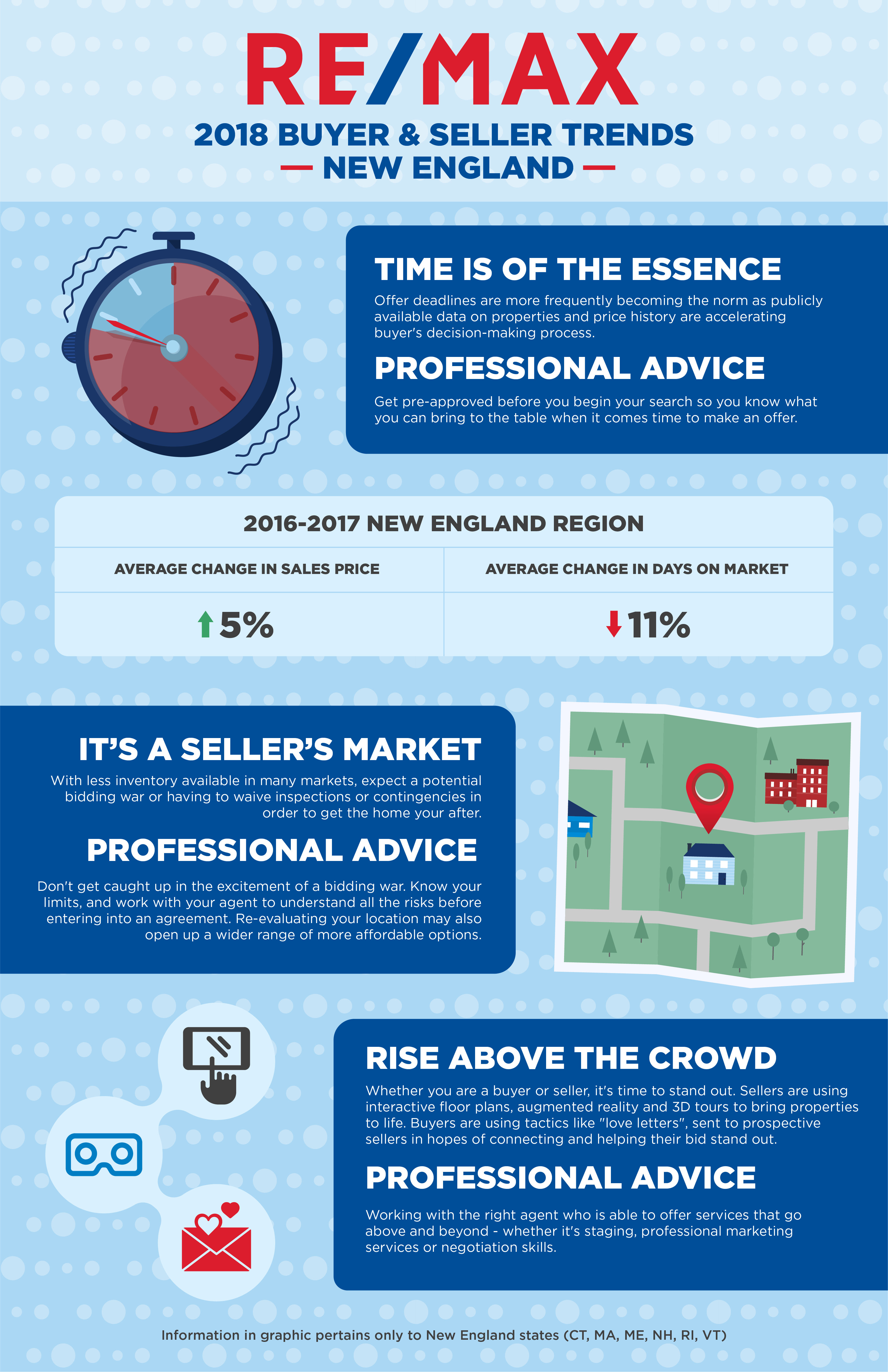

Comprehending Real Estate Dealings: Why You Should Not Sign Without A Lawyer
When it comes to property agreements, signing on the dotted line without an attorney can put you at severe danger. You may assume you comprehend the terms, yet concealed pitfalls can lurk in the small print. A legal expert can aid you browse these intricacies, guaranteeing you're completely aware of what you're devoting to. Curious concerning the certain risks and exactly how a lawyer can make a distinction? Allow's explore even more.
The Importance of Legal Proficiency in Real Estate Transactions
When you're browsing the intricacies of realty deals, having lawful competence in your corner can make all the difference. A competent lawyer helps you recognize the ins and outs of agreements, ensuring you understand your legal rights and responsibilities.
They detect prospective concerns that you may ignore and offer guidance customized to your situation. By analyzing can power of attorney sell property , they simplify the procedure, making it less intimidating for you.
Additionally, https://www.merchantcircle.com/pujol-law-group1-miami-fl can discuss far better terms in your place, possibly saving you cash and tension. With their assistance, you'll really feel much more certain as you make crucial decisions, ultimately causing a smoother deal.
Worldwide of real estate, having a well-informed companion is indispensable for safeguarding your interests.
Common Pitfalls in Real Estate Dealings
Legal proficiency plays a crucial duty in real estate deals, especially when it comes to avoiding usual risks in agreements.
One frequent problem is ignoring backups, such as financing or evaluation stipulations. If you skip these, you can end up embeded an offer that's not right for you.
One more risk is misinterpreting deadlines; missing a vital date might endanger your placement. Be wary of obscure language too, which might lead to misunderstandings about obligations.
Furthermore, falling short to verify property information, like zoning regulations or easements, can bring about future headaches. Always ensure that you clearly understand every aspect of the contract before finalizing.
A tiny oversight can have significant consequences in the long run.
How an Attorney Can Safeguard Your Financial Investment
Employing an attorney can considerably guard your financial investment in property, especially if you're navigating intricate agreements. They'll thoroughly evaluate the terms, guaranteeing you comprehend every information.
A lawyer identifies prospective mistakes, such as hidden charges or undesirable clauses, that might cost you later on. With their knowledge, you can bargain far better terms, enhancing your overall offer.
They'll likewise validate the property's title, making sure there are no lawful problems that might threaten your possession. Furthermore, having a legal representative existing at closing assists guarantee all papers remain in order, stopping future disputes.
Eventually, their guidance not only protects your economic rate of interests however also gives you assurance throughout the buying process. Don't risk it-- seek advice from an attorney prior to authorizing anything.
Verdict
In conclusion, do not underestimate the value of having a lawyer on your side when dealing with realty contracts. Their proficiency helps you navigate complicated terms and discover potential concerns that might cost you a lot. By speaking with an attorney, you're not simply securing your financial investment; you're ensuring you fully comprehend your legal rights and commitments. So, prior to you authorize anything, take that crucial step to safeguard your future and make notified decisions.

